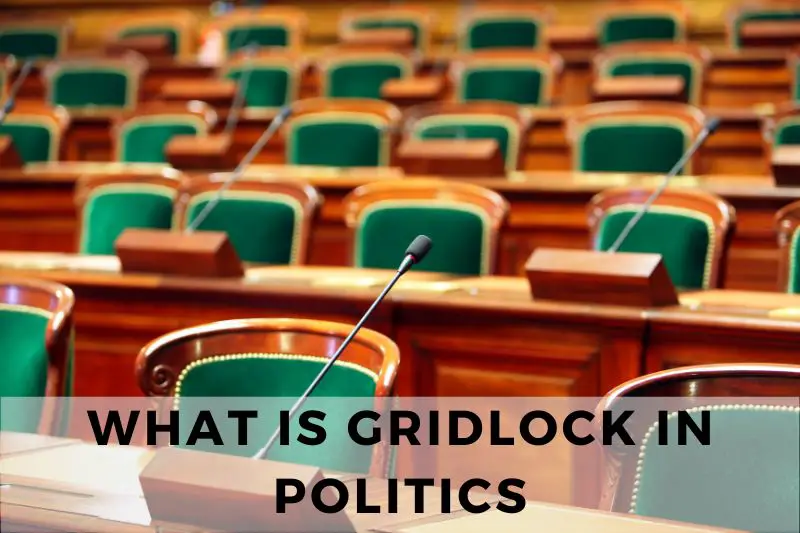
Political gridlock is a term commonly used to describe the situation where political progress comes to a standstill, often due to disagreements, lack of cooperation, or excessive conflict among political actors. Gridlock can occur in various forms and across different branches of government, leading to inefficiencies in policy-making, governance, and response to national challenges. This article explores the different types of political gridlock, its causes, consequences, and offers examples from U.S. politics. Additionally, it discusses potential solutions to resolve gridlock and restore a more functional political system.
Defining Political Gridlock
Political gridlock refers to a situation where opposing parties or factions within the government are unable or unwilling to come to an agreement, resulting in an inability to pass legislation or make decisions. It can occur at various levels of government—local, state, or national—and typically arises when the political environment is characterized by intense partisan divisions, institutional obstacles, or both. Gridlock is often seen as a breakdown in the normal functioning of democratic processes, as it prevents the implementation of policies and reforms that may be necessary to address pressing issues facing the public.
At its core, political gridlock symbolizes a failure in cooperation and compromise, where political actors prioritize conflict over collaboration. This not only leads to delays in action but can also create frustration among citizens who may feel that their elected officials are not fulfilling their duties.
Types of Political Gridlock
Political gridlock manifests in various forms, each with its unique characteristics and impacts on governance. These types of gridlock arise from differing branches of government, political institutions, or specific issues, and they can occur independently or simultaneously.
#1. Legislative Gridlock
Legislative gridlock occurs when lawmakers fail to pass critical laws or enact new policies due to partisan divisions, disagreements, or stalemates within legislative bodies. This type of gridlock is commonly seen in Congress, where party polarization prevents compromise on key legislation. The inability to pass laws on essential matters such as healthcare reform, tax policy, or environmental regulations often leads to legislative paralysis, where minimal progress is made on national issues.
#2. Executive-Legislative Gridlock
Executive-legislative gridlock arises when the executive branch (such as the President or governor) and the legislative branch are controlled by different political parties, causing a breakdown in cooperation. This type of gridlock can result in stalled legislation, vetoes, and failure to pass the president’s agenda. Disagreements between the president and Congress can lead to inefficiencies in governance, where crucial decisions on national security, the economy, and domestic issues cannot be made due to political rivalry.
#3. Judicial Gridlock
Judicial gridlock occurs when courts, particularly the highest courts in the country, face delays or inability to rule on important legal matters due to political conflicts or vacancies. For example, when a Supreme Court seat remains vacant for extended periods, the judicial system struggles to maintain full functionality. Additionally, judicial gridlock can happen when courts become highly polarized, with judges reflecting partisan viewpoints that prevent consensus in rulings. This type of gridlock often leads to delays in justice and inconsistency in legal interpretations, creating a lack of clarity in the law.
#4. Partisan Gridlock
Partisan gridlock occurs when extreme partisan divisions hinder the ability of lawmakers to collaborate and pass legislation. This often leads to political deadlock, where each party prioritizes its ideological goals over common ground or compromise. The result is an inability to address issues in a timely manner, and it may even escalate into political standoffs that prevent any meaningful progress. Partisan gridlock also manifests in the form of partisan obstructionism, where one party actively blocks the other’s policy initiatives without considering their merits.
#5. Intergovernmental Gridlock
Intergovernmental gridlock occurs when different levels of government—such as federal, state, and local governments—fail to cooperate or coordinate on shared responsibilities or issues. Disputes over authority, jurisdiction, and funding can create gridlock, as one level of government may obstruct the actions of another. For example, disagreements between state governments and the federal government over policy issues such as healthcare, education, or environmental regulations often result in delays and inefficiencies in policy implementation.
#6. Policy-Specific Gridlock
Policy-specific gridlock refers to situations where gridlock is focused on a particular policy issue, such as healthcare, immigration, or climate change. While the overall political system may function, certain policy areas remain unresolved due to ongoing debates or opposing viewpoints. In such cases, parties or factions may continue to block or delay policy changes, even though the issue is critical to the public. This type of gridlock often occurs in issues that deeply divide political parties, where ideological differences make compromise extremely difficult.
#7. Committee Gridlock
Committee gridlock occurs when legislative committees fail to make decisions or advance legislation because of disagreements among committee members. Committees are vital in shaping bills before they are presented to the full legislature, and if gridlock occurs within these committees, it can significantly slow down the legislative process. Committee gridlock can arise due to partisan politics, conflicts between committee members, or a lack of cooperation among key stakeholders, leading to stalled bills and delayed reforms.
Common Causes of Gridlock in Politics
Various factors contribute to political gridlock, often intertwining to create a complex web of obstacles that prevent effective governance. These causes range from structural issues within the political system to broader social and economic influences that hinder decision-making and policy implementation.
#1. Partisan Polarization
Partisan polarization refers to the growing ideological divide between political parties, making it difficult for them to find common ground or compromise on key issues. As political parties move further apart ideologically, cooperation becomes more challenging. Legislators become more entrenched in their positions, viewing compromise as a loss rather than a necessary step toward progress. This deepening polarization leads to legislative gridlock, where policy decisions and laws become contentious and are often blocked by one or both sides, preventing meaningful action.
#2. Divided Government
Divided government occurs when different political parties control different branches of government, such as when the presidency is held by one party and the majority of the legislature is controlled by another. This situation creates a scenario where each branch may have conflicting agendas, leading to an inability to pass legislation, confirm appointments, or enact policies. The result is political deadlock, as the executive branch and legislature work at cross purposes. This often leads to a stalling of important bills and executive orders due to partisan conflict, with each side unwilling to yield to the other.
#3. Electoral Politics and Campaign Strategies
Electoral politics and campaign strategies play a significant role in fostering gridlock. Politicians focus heavily on winning elections rather than governing effectively, which often leads to decisions based on short-term political gain rather than long-term solutions. Campaigns often amplify divisions between parties and create polarized voting blocs, making it harder for elected officials to cooperate after the election. Additionally, the emphasis on fundraising and appealing to narrow interest groups can push politicians further away from compromise, as they seek to maintain their base support at the expense of broader cooperation.
#4. Institutional Design and Checks and Balances
The structure of political institutions, particularly the system of checks and balances inherent in many democracies, can contribute to gridlock. While these systems are designed to prevent the concentration of power and ensure accountability, they can also slow down decision-making. In systems where power is divided among multiple branches of government, each with its own veto power, gridlock becomes more likely. Legislative bodies can block executive actions, while the judiciary can delay decisions or prevent legislation from being enacted. While this system promotes careful deliberation, it can also lead to a lack of progress, especially when partisan divisions are strong.
#5. Influence of Lobbyists and Special Interest Groups
Lobbyists and special interest groups exert considerable influence on the political process, often contributing to gridlock. These groups lobby for policies that benefit their specific interests, sometimes at the expense of broader public good. They can create political pressure that leads to inaction or the blocking of bills that would address larger societal issues. In some cases, the influence of money in politics causes legislators to prioritize the interests of their donors over the needs of their constituents, which results in partisan gridlock and an inability to reach consensus on critical issues.
#6. Media Amplification of Political Divisions
The media plays a significant role in amplifying political divisions, which can contribute to gridlock. News outlets, particularly cable news and social media platforms, often highlight partisan conflict and sensationalize disagreements. This creates an environment where political actors are incentivized to take extreme positions, appealing to their base rather than seeking compromise. The 24-hour news cycle, coupled with the rise of echo chambers, intensifies polarization, making it more difficult for politicians to collaborate across party lines. As media narratives focus on conflict, they further entrench divisions, which translates into gridlock in governance.
#7. Public Opinion and Voter Preferences
Public opinion and voter preferences heavily influence political gridlock. When voters become deeply divided on issues, politicians are less willing to compromise, fearing backlash from their constituents. As public opinion becomes more polarized, elected officials often feel pressure to adhere to extreme positions, making negotiation difficult. Additionally, when voters prioritize short-term issues or are influenced by partisan media, politicians may be less inclined to pursue long-term policy solutions, leading to stagnation in the political process and further entrenching gridlock.
#8. Lack of Political Leadership or Willingness to Compromise
A lack of political leadership or the unwillingness to compromise is a significant cause of gridlock. When political leaders fail to take a proactive role in building consensus or fail to demonstrate the ability to bridge divides, gridlock is more likely to occur. Leadership that prioritizes partisan victory over national interests contributes to a political environment where cooperation becomes increasingly rare. The inability or unwillingness to find middle ground in times of crisis or deadlock exacerbates the problem, prolonging gridlock and preventing progress on critical issues.
#9. Overuse of Filibusters and Vetoes
The overuse of filibusters and vetoes by political actors can significantly contribute to gridlock. Filibusters, often used in legislative bodies like the U.S. Senate, allow one party or group to block a bill by prolonging debate, which can lead to an inability to pass important legislation. Similarly, the excessive use of vetoes by executives, such as the president or governors, can prevent bills passed by the legislature from becoming law. When these procedural tools are used to block compromise, they create significant delays and prevent the smooth functioning of government, leading to gridlock.
#10. Complexities in Coalition Governments
Coalition governments, common in parliamentary systems or multi-party democracies, can also contribute to gridlock due to the need for multiple parties to agree on policies and legislation. In coalitions, smaller parties often wield disproportionate power, and compromises between diverse factions are necessary for any policy to move forward. These complex negotiations can lead to slow decision-making and deadlock, especially when there are stark ideological differences between coalition members. As parties within the coalition vie for influence, it can become difficult to pass legislation, leading to policy stagnation.
Consequences of Political Gridlock
Political gridlock has far-reaching effects that impact not only the legislative process but also the broader political, economic, and social environment. The inability to pass laws, implement policies, and respond to emerging issues can have long-term consequences for governance and public trust in the political system.
#1. Delayed Policy Implementation
Gridlock leads to significant delays in policy implementation. When political factions fail to reach agreements, crucial reforms on issues such as healthcare, climate change, and infrastructure development are postponed indefinitely. This results in a backlog of important bills and initiatives that remain unresolved, preventing the government from addressing urgent problems or responding to new challenges in a timely manner. Delays in policy implementation affect public services, economic growth, and the overall efficiency of government functions.
#2. Government Shutdowns
Government shutdowns are one of the most immediate and visible consequences of gridlock. When lawmakers cannot agree on the federal budget or other critical legislation, parts of the government are forced to shut down. During a shutdown, non-essential government services halt, and federal employees may be furloughed or work without pay. This disrupts normal operations, affecting everything from national security to public health programs. A shutdown also places a significant strain on federal agencies, leading to inefficiencies and delays in delivering services to citizens.
#3. Economic Uncertainty and Instability
Economic uncertainty and instability often arise during periods of political gridlock, as businesses and investors struggle to navigate an unpredictable political environment. When lawmakers fail to reach agreements on important economic issues, such as tax policy, trade agreements, or budget allocations, it creates an atmosphere of uncertainty that can undermine investor confidence. The inability to address economic crises or respond to changes in the global economy can lead to slower economic growth, job losses, and heightened financial instability.
#4. Erosion of Public Trust in Government Institutions
Gridlock erodes public trust in government institutions by reinforcing the perception that elected officials are ineffective or more concerned with partisan interests than the needs of the public. As citizens witness lawmakers fighting over trivial issues or obstructing progress, they become disillusioned with the political system. When gridlock persists for extended periods, voters lose faith in the ability of government to address their concerns, leading to reduced civic engagement and a decline in support for democratic institutions.
#5. Stalled Infrastructure and Development Projects
Infrastructure and development projects often face significant delays or complete halts due to political gridlock. When lawmakers are unable to agree on funding for public works, transportation, or urban development, crucial projects are postponed, and existing infrastructure deteriorates. These delays negatively impact economic development and quality of life, especially in communities that depend on public investment for job creation and modernization. Additionally, stalling infrastructure projects can worsen issues like traffic congestion, environmental pollution, and public safety.
#6. Reduced International Credibility
A government mired in gridlock risks losing its international credibility. Other countries and global organizations closely monitor the ability of a government to effectively address both domestic and international issues. When gridlock prevents the passage of important foreign policy initiatives, trade agreements, or military commitments, it weakens a nation’s position on the global stage. The perception that a country cannot act decisively on critical matters can reduce its influence and make it harder to build alliances or negotiate favorable terms in international affairs.
#7. Increased Political Polarization and Frustration
Political gridlock exacerbates political polarization, as partisan actors become more entrenched in their positions. When cooperation is impossible, each side views the other as an obstacle rather than a partner in governance. This leads to a cycle of increased frustration, as political actors blame each other for the lack of progress. Over time, the inability to resolve disputes fosters a deeper divide between parties, further alienating voters and intensifying divisions within society. This heightened polarization makes future cooperation even more challenging.
#8. Inefficiencies in Crisis Management
In times of crisis, such as natural disasters, economic recessions, or public health emergencies, political gridlock can severely hinder the government’s ability to respond effectively. The inability to reach consensus on relief packages, emergency measures, or coordinated responses slows down decision-making and exacerbates the crisis. Gridlock during a crisis undermines the capacity of government agencies to act swiftly, leading to prolonged suffering, economic losses, and a slower recovery.
#9. Encouragement of Executive Overreach
When political gridlock paralyzes legislative action, it can lead to an increase in executive overreach. Faced with legislative inaction, executives may resort to executive orders or other unilateral actions to bypass the gridlock. While these actions may be necessary in some cases, they can also undermine the balance of power between the branches of government. Executive overreach can create further tensions between the executive and legislature, intensifying the gridlock and leading to accusations of authoritarianism or undemocratic practices.
#10. Missed Opportunities for Long-Term Reforms
Gridlock results in missed opportunities for long-term reforms, particularly in areas such as healthcare, education, and social welfare. When political leaders cannot agree on comprehensive policy changes, the chance to address structural issues that require sustained effort and cooperation is lost. This prevents the implementation of significant reforms that could improve the well-being of citizens and the functioning of the economy. As a result, long-term challenges persist, and future generations inherit the consequences of political inaction.
Examples of Political Gridlock from US Politics
Political gridlock has manifested in numerous instances throughout U.S. history, often in situations where partisan divisions, institutional conflict, or policy disagreements prevented effective governance. These examples highlight the ways gridlock has impeded legislative progress and impacted the functioning of the government.
#1. The Government Shutdown of 1995-1996
The government shutdown of 1995-1996 was one of the longest in U.S. history, lasting for a total of 21 days. It occurred when President Bill Clinton and the Republican-controlled Congress failed to reach an agreement on the federal budget. Disagreements over funding for various programs, particularly Medicare and education, led to a standoff that resulted in the closure of numerous federal agencies. The shutdown affected thousands of federal workers, halted critical government functions, and created economic disruptions. Ultimately, the political gridlock was resolved when Clinton and Republican leaders reached a compromise, but it highlighted the risks of legislative deadlock over budgetary matters.
#2. The 2013 Government Shutdown
In 2013, another government shutdown occurred, this time lasting for 16 days. The shutdown was a result of disagreements over funding for the Affordable Care Act (ACA), or “Obamacare.” Republicans in the House of Representatives demanded the defunding or delay of the ACA as a condition for passing the government’s budget, while President Barack Obama and Senate Democrats refused to concede on this point. The shutdown caused significant disruptions to government services and affected over 800,000 federal workers. The deadlock was resolved when Congress passed a temporary spending measure, but it underscored the divisive nature of partisan politics and the challenges of passing comprehensive policy reforms.
#3. Debt Ceiling Crisis of 2011
The 2011 debt ceiling crisis highlighted another example of political gridlock, where partisan divisions led to a potential financial disaster. In this instance, Congress failed to agree on raising the debt ceiling, the limit on the amount of money the government can borrow to meet its obligations. Republican lawmakers demanded significant cuts to government spending in exchange for agreeing to raise the debt ceiling, while President Obama and Senate Democrats sought to avoid austerity measures. The standoff threatened to default on U.S. government debt and led to significant financial market volatility. A last-minute compromise averted default, but the crisis left lasting concerns about the ability of Congress to manage fiscal issues in a timely and effective manner.
#4. Supreme Court Vacancy in 2016
The Supreme Court vacancy in 2016 serves as an example of judicial gridlock resulting from political obstructionism. After the death of Justice Antonin Scalia, President Barack Obama nominated Judge Merrick Garland to fill the vacancy. However, Senate Republicans, led by Majority Leader Mitch McConnell, refused to hold hearings or vote on Garland’s nomination, citing the upcoming presidential election and the belief that the next president should make the appointment. This unprecedented refusal to act on a Supreme Court nomination led to a 14-month vacancy on the Court and created a partisan battle over the judicial appointment process. The gridlock on the nomination was only resolved when President Donald Trump appointed Justice Neil Gorsuch in 2017, following his victory in the 2016 election.
#5. The Build Back Better Act Stalemate of 2021-2022
The Build Back Better Act, a major piece of legislation proposed by President Joe Biden to expand social programs, address climate change, and provide economic relief, became a prime example of legislative gridlock in 2021-2022. The bill faced significant resistance from moderate Democrats, most notably Senator Joe Manchin of West Virginia, who opposed key provisions, such as the expansion of social welfare programs and provisions for climate-related spending. This opposition led to months of negotiation and compromise, but ultimately, the bill was never passed in its original form. The gridlock within the Democratic Party, along with Republican opposition, resulted in a failure to enact one of the administration’s central policy goals.
Conclusion
Political gridlock presents a significant challenge to effective governance, as it prevents the passage of critical legislation, delays policy implementation, and exacerbates partisan divisions. While the causes of gridlock are complex, the consequences can be far-reaching, affecting everything from economic stability to public trust in government.
Examples from U.S. politics, such as government shutdowns, the debt ceiling crisis, and the Build Back Better Act stalemate, illustrate the damaging impact of political deadlock. To overcome gridlock, it is essential for political leaders to seek common ground, prioritize collaboration, and find ways to navigate the challenges posed by a polarized political landscape.